0%

Choosing a reliable Presta valve inflator head manufacturer requires more than comparing product photos or factory slogans. This guide introduces China’s top ten manufacturers through practical, buyer-focused criteria. We consider manufacturing experience, machining capability, material quality, pressure performance, and after-sales support. The focus stays on suppliers serving bicycle workshops, pump brands, distributors, and equipment assemblers.

A dependable manufacturer should explain how each inflator head is produced. Look for clear information about brass, aluminum, stainless steel, seals, threads, and surface finishing. Factory inspection records can reveal more than polished brochures. Product samples should fit Presta valves smoothly, maintain an airtight connection, and release without damaging the valve core. Small details matter. We also examine OEM flexibility, packaging quality, production capacity, and response times. Certifications and test reports should be verified rather than accepted automatically.

This ranking is designed as a research starting point, not an unquestionable verdict. A supplier with strong export experience may not suit a small custom order. Another factory may offer better engineering support but less competitive pricing. Market conditions, staff changes, and production schedules can alter performance over time. Claims need checking. Buyers should request samples, confirm specifications, review inspection procedures, and discuss warranty terms before placing large orders. The manufacturers selected here show relevant strengths, but every purchasing decision still needs independent verification. That cautious approach helps buyers find a capable Chinese partner for consistent Presta valve inflator head production.
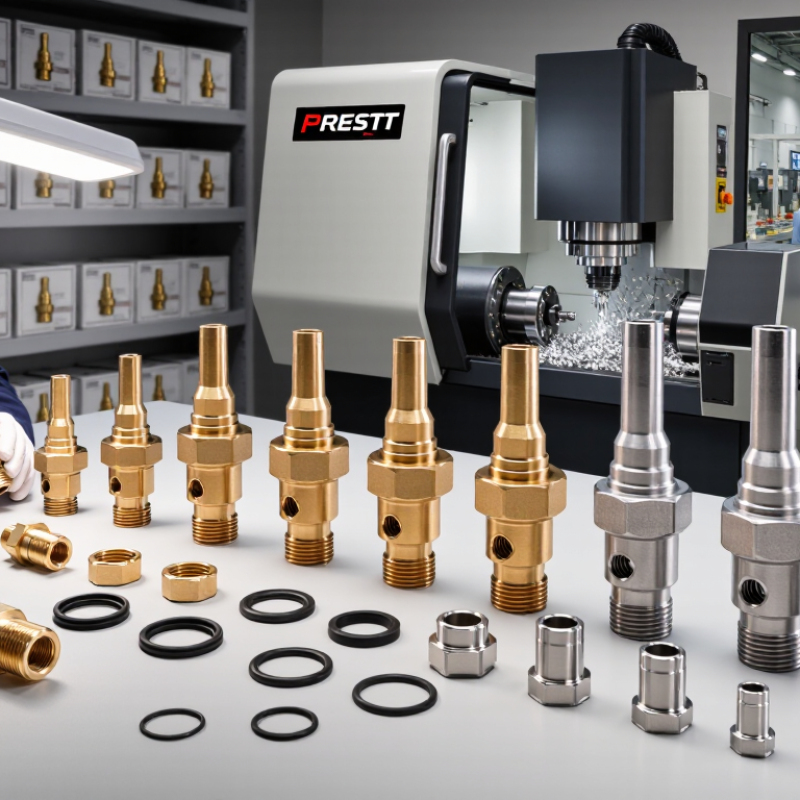
China Top 10 Presta Valve Inflator Head Manufacturers?

Presta Valve Basics: 6 mm Stem Diameter, Core Design, and Airflow

When comparing Presta valve inflator head manufacturers, understanding the valve itself matters more than marketing claims. A Presta stem is usually about 6 mm wide, making it slimmer than a Schrader valve. This narrow profile suits lightweight bicycle rims. It also demands a precise inflator head seal.

The valve core contains a small spring-loaded pin and a threaded locknut. Pressing the pin opens the air path. Some cores are removable, which helps with sealant servicing and replacement. However, removable cores can loosen during inflation. I have seen tiny air leaks caused by careless tightening. A reliable inflator head should grip the stem without bending it. Its internal contact point must press the core pin cleanly.

Airflow depends on more than stem diameter. Core opening, chuck geometry, hose resistance, and pump pressure all affect inflation speed. A narrow passage may feel slow, especially with a high-volume pump. A well-machined head should keep the seal stable while air moves through the small opening. For manufacturer evaluation, check compatibility with removable and fixed cores, repeated-cycle testing, gasket wear, and pressure retention. The best design is not always the fastest. A head that inflates quickly but damages threads is poorly balanced. I still consider long-term seal wear an overlooked test point. Small details matter.

China’s Top 10 Manufacturers: Ranking by Output, Export Value, and OEM Scale

China Top 10 Presta Valve Inflator Head Manufacturers

A reliable ranking of China’s top ten Presta valve inflator head manufacturers should begin with verified output. Production capacity matters, but reported figures need careful checking. Factory audits, monthly shipment records, and repeat order data provide stronger evidence than promotional claims. A supplier producing millions of inflator heads annually may still struggle with consistency.

Export value offers another useful measure. Customs records, destination markets, and product mix can reveal actual international demand. High export value does not always mean better engineering. Some figures may reflect large, lower-margin orders. That limitation deserves attention. Buyers should examine material specifications, machining tolerance, surface treatment, and pressure-test results. Small details matter here.

OEM scale separates established manufacturers from basic workshops. Leading suppliers usually maintain dedicated tooling teams, inspection stations, and flexible packaging lines. They can adjust thread dimensions, lever shapes, seals, and connection standards for different bicycle systems. Practical buyers should request sample approval, batch inspection reports, and clear lead-time commitments. A factory may promise a low minimum order, then delay custom tooling. That weakness is easy to overlook. The strongest ranking combines output, export value, and OEM capability instead of relying on one impressive number.

Product Engineering: CNC Tolerances, Brass Grades, and 120 psi Ratings

Choosing among China’s top Presta valve inflator head manufacturers requires more than comparing prices. Product engineering reveals the real difference. A reliable head should grip the valve firmly without crushing its threads. Fit matters.

CNC machining controls the chuck’s bore, sealing face, and internal thread alignment. Practical production targets may hold critical dimensions within 0.02–0.05 mm, depending on the feature and inspection method. However, tighter tolerances do not automatically create better performance. They can increase cost and reduce production stability. Brass grade also matters. Lead-free brass options can improve material compliance, while common brass alloys may offer easier machining and stronger wear resistance. Engineers should request alloy certificates, hardness data, and surface-finish records.

A 120 psi rating must describe the complete inflator head, not only one tested component. Manufacturers should pressure-test assembled units, inspect seals, and record leakage results. Temperature changes can affect elastomer flexibility. So can repeated valve insertion. Ask for cycle-test evidence under realistic workshop conditions. The gauge connection should remain stable during inflation, with no sudden release or air hiss.

Details expose quality. Look for calibrated gauges, traceable inspection tools, and documented sampling plans. Measure twice. A small weakness can appear after thousands of cycles, even when the first inspection passes. No tolerance plan is perfect, so transparent corrective-action records deserve attention. Manufacturers that explain failures clearly often engineer more dependable Presta inflator heads.

Presta Valve Inflator Head Engineering Reference

Standard brass composition ranges commonly used when evaluating machinable valve-head materials. These are material references rather than company or brand specifications.

CNC tolerance reference

Typical precision targets are about ±0.02 mm for sealing bores, ±0.03 mm for sealing faces, and ±0.05 mm for threaded interfaces. Final tolerances depend on the drawing, tooling, and inspection method.

Brass grade selection

UNS C36000 is highly machinable; C37700 is commonly selected for hot-forged brass components; C46400 naval brass offers improved resistance in some marine environments.

Pressure design point

A 120 psi rating should be verified through leak, proof-pressure, and functional tests on the complete inflator head assembly, not inferred from alloy composition alone.

Quality Testing: Leak Rates, Pressure Cycles, and ISO 9001 Compliance

For a China-based top-ten shortlist, quality testing should begin with leak-rate control. Inspectors can connect each Presta valve inflator head to a calibrated pressure source, then record pressure loss over a fixed period. A practical screening method uses 8–10 bar air pressure and repeated measurements at room temperature. The exact limit must match the product specification, because ISO 9001 does not define a universal leak threshold. It requires controlled processes and verified customer requirements.

Pressure-cycle testing reveals weaknesses that a single leak check can miss. A test rig should engage and release the head repeatedly, while monitoring seal wear, spring recovery, and connector alignment. Many buyers use thousands of cycles for development testing, then apply a smaller batch test for production control.

Test records should include fixture identification, calibration dates, operator details, and failed samples. Small details matter.

ISO’s Survey of Certifications 2022 recorded more than 1.26 million ISO 9001 certificates across 175 countries and economies. That figure shows broad adoption, but certification alone cannot prove durable inflator performance. Auditors should review corrective-action reports, sampling plans, and traceability records.

A polished document can still hide inconsistent rubber hardness or poor machining. One weakness remains: cycle results may change with temperature, dust, and user force. Better suppliers test those conditions, not only the easiest laboratory setting.

Market Comparison: Certifications, Customization, Lead Times, and Pricing

China Top 10 Presta Valve Inflator Head Manufacturers: Market Comparison

A reliable top-ten comparison should begin with factory evidence, not catalog photos. During supplier audits, buyers should request valid ISO 9001 records and material declarations for plastics, seals, and metal parts. Export markets may also require RoHS or REACH-related documentation. Certificates must match the actual production site. Some documents look impressive but need verification.

Customization separates a standard inflator head from a useful product component. Manufacturers may adjust thread sizes, lever shapes, gasket materials, colors, logos, and packaging. Ask for engineering drawings and a functional sample before approving mass production.

Test the head on different Presta valve stems. A perfect fit on one sample proves little. I have seen small tolerance changes cause air leaks during repeated use.

Lead times commonly depend on tooling, order quantity, and inspection requirements. Stock items may ship within one or two weeks, while customized parts can require four to eight weeks. Confirm whether sampling time is included. Pricing should cover tooling, testing, packaging, freight terms, and replacement rates. The lowest quotation is not always economical. A cheaper seal may harden faster, creating hidden warranty costs. Request a detailed cost breakdown and a written quality agreement. Still, comparisons can remain imperfect because suppliers calculate production capacity differently. That weakness deserves attention.

FAQS

How should buyers rank bicycle inflator head manufacturers?

Compare verified output, export value, and OEM capability together. Numbers can mislead. Check factory audits, shipment records, and repeat orders before trusting claims.

Why is production volume important?

High output suggests stable equipment and workforce capacity. However, large volume may hide inconsistent machining or inspection. Request monthly records and recent batch samples.

Does high export value prove better quality?

No. Export value may reflect large, low-margin orders. Review destination markets, product mix, materials, tolerances, and pressure-test results.

What factory evidence should buyers request?

Ask for site records, inspection reports, material declarations, and valid quality certificates. Verify that documents match the actual production facility. Catalog photos are not enough.

Which custom features can manufacturers usually provide?

They may adjust threads, lever shapes, seals, colors, packaging, and connection dimensions. Request drawings first. Test samples on several bicycle valve stems.

How long do customized inflator heads usually take?

Stock products may ship within one or two weeks. Customized parts often need four to eight weeks. Tooling, quantity, sampling, and inspection can change the schedule.

What should a detailed quotation include?

It should list tooling, testing, packaging, freight terms, and replacement rates. A low price can hide weak seals or delayed tooling. That cost appears later.

How can buyers reduce air-leak risks?

Check seal materials, thread dimensions, surface finish, and repeated-use performance. One successful sample proves little. Tolerance changes can create leaks after several uses.

Is the lowest quotation the best choice?

Not always. A cheaper seal may harden quickly and increase warranty costs. I might overvalue price without enough testing. A written quality agreement helps.

Conclusion

This article presents a practical overview of China’s leading Presta valve inflator head manufacturers, evaluating them through production output, export performance, and OEM capabilities. It first explains the defining features of Presta valves, including their 6 mm stem diameter, removable core structure, and airflow considerations. Readers will also learn how manufacturers apply CNC machining, selected brass grades, and precise tolerances to produce reliable components designed for pressures up to 120 psi.

The comparison further examines quality testing, including leak-rate inspection, pressure-cycle testing, and ISO 9001-based production management. Key purchasing factors such as certification support, customization options, lead times, and pricing are also discussed. By combining technical performance with manufacturing scale and service capability, the article helps buyers evaluate a Presta valve inflator head supplier according to their application, quality expectations, and OEM project requirements.


Ethan Caldwell

Ethan Caldwell

Ethan Caldwell is a professional marketing specialist dedicated to helping businesses communicate their value with clarity, credibility, and purpose. With a strong understanding of the company’s products, services, and customer needs, Ethan creates informative, practical, and engaging articles for......