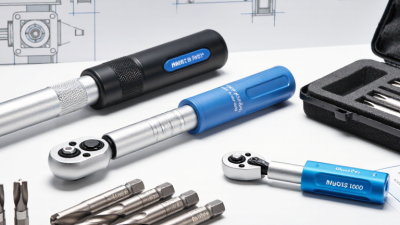
2026 Best Torque Limiting Bit Tool for Global Buyers
Choosing the right Torque limiting bit tool can protect fasteners, assemblies, and production consistency. For global buyers, the decision involves more than advertised torque ranges. Tool design, calibration, bit compatibility, operator control, and after-sales support all deserve careful attention.
A reliable tool should deliver predictable torque under real working conditions. Buyers should examine the drive size, adjustment method, locking system, repeatability, and material quality. A clear calibration certificate can support quality records, although certificate formats differ between suppliers and regions. Compatibility also matters. A tool used with small electronics may require different control than one used for automotive panels or industrial equipment. Small details matter.
Real-world testing is valuable.
This guide compares key features for the 2026 market, including manual and preset designs, common bit standards, ergonomic handling, maintenance needs, and supplier reliability. It also considers packaging, documentation, warranty response, and delivery experience for international purchasing. A low purchase price may appear attractive, but inconsistent torque can create rework, damaged threads, or delayed inspections. That risk is easy to underestimate.
No single model fits every workplace. Some buyers may prioritize portability, while others need high repeatability across hundreds of daily fastening cycles. Environmental conditions can also affect performance, especially where dust, humidity, or temperature changes are common. Product claims should be checked against test data and the buyer’s actual application. This article offers a practical framework for comparing options with greater confidence, while recognizing that specifications alone cannot replace hands-on verification.
Read more »
 By:Julian Mercer
- October 16, 2026
 By:Ethan Caldwell
- October 11, 2026