Cycling is becoming more practical, but roadside problems remain frustrating. A silent valve leak can turn a smooth morning ride into a long walk home. The right Portable rechargeable bike inflator offers a compact solution, especially for commuters, touring riders, and electric-bike users.
The European Bicycle Industry and Market Profile 2024, published by CONEBI, reported approximately 11.7 million bicycles sold in Europe during 2023. Its data also showed continued importance for electric bicycles, which often require dependable tire pressure management because of their greater weight. In the United States, the PeopleForBikes 2024 participation report recorded about 112 million bicycle riders in 2023. These figures suggest a large, varied audience, not one universal buying preference.
This guide compares leading portable inflators for global buyers. It examines pressure accuracy, inflation speed, battery capacity, valve compatibility, display readability, heat control, and carrying weight. Manufacturer specifications provide the starting point. Independent testing and verified customer feedback add practical context. A pump showing 150 PSI may not reach that pressure efficiently on a wide mountain tire. A smaller unit may fit a jersey pocket but struggle after several inflations. Keep this in mind.
Charging ports, plug standards, warranty coverage, and battery-shipping requirements can also differ between countries. Those details deserve attention before purchase. No single ranking suits every rider. Some conclusions may remain imperfect because battery performance changes with temperature, tire volume, and age. Still, careful comparison can reduce unpleasant surprises beside a dark roadside or a windy trail.
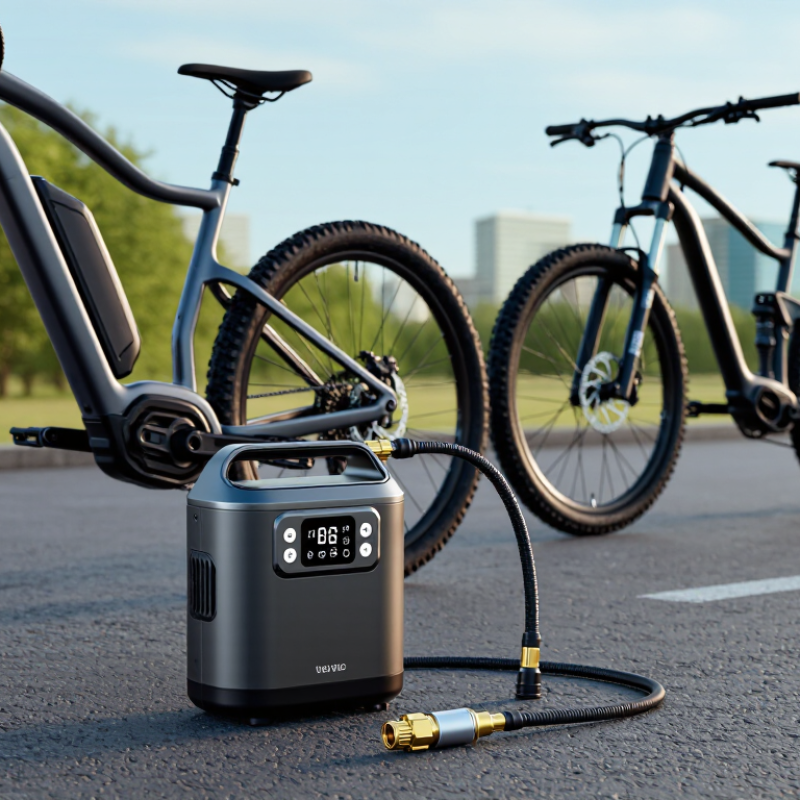
A portable rechargeable bike inflator is a small electric pump powered by an internal lithium battery. It converts stored electrical energy into airflow. A motor drives a piston or diaphragm, compressing air into the tire. The device usually includes a pressure gauge, valve adapter, and automatic shutoff.
During use, the rider selects a target pressure, connects the hose, and presses start. The motor works in short, noisy bursts. A sensor measures pressure and stops the pump near the selected setting. Many models support common bicycle valve types through interchangeable heads. Always check the tire’s sidewall range, because excessive pressure can reduce grip and comfort.
The PeopleForBikes 2024 U.S. Bicycling Participation Report recorded 112 million American bicyclists in 2023. That figure helps explain the demand for compact roadside equipment. A rechargeable inflator can repair a slow leak beside a wet path, without a floor pump or electrical outlet. However, battery capacity remains a practical weakness. Small pumps may inflate several road tires, but fewer high-volume mountain-bike tires. Heat also builds inside the motor.
Not perfect.
I would test the gauge against a separate pressure meter before trusting it. The European Commission’s 2023 battery report also highlights growing attention to battery durability and recycling. Buyers should check charging time, battery protection, hose length, and valve compatibility. A lightweight case is useful, but a dependable seal matters more.
Choose a model that reaches your tire’s recommended pressure. Road tires may need higher pressure than mountain bike tires. Read the tire sidewall carefully. Maximum pressure is not the same as ideal pressure.
A wide pressure range is not enough. The display should be readable, and the target setting should be adjustable. Test it against a trusted pump when accuracy matters. Advertised precision is not proof.
Check compatibility with both common valve types before buying. Some inflators need an adapter. A metal hose connector may feel more secure beside a deep rim.
Battery capacity alone can mislead. Ask how many inflations were tested, with which tire size and pressure. A large mountain tire may consume power quickly. Test conditions matter.
Look for thermal protection and automatic shutoff. Heat builds quickly during repeated use. A slightly heavier unit may be safer and easier to hold. I would not ignore weight completely.
Choose a compact model with a clear display and a hose reaching narrow valve spaces. Confirm its maximum pressure before riding. A preset function reduces guesswork, but separate checking remains wise.
Wide tires need more air volume after a trail puncture or tubeless repair. Select a stronger motor, stable base, and heat protection. Simple controls help with dusty or wet hands. Inflation can take longer than expected.
A lightweight unit can stay in a work bag for frequent top-ups. Check charging time, valve compatibility, and hose length. Touring riders should carry a manual backup. Rechargeable convenience should not replace basic pump skills.
A Portable rechargeable bike inflator is a compact, battery-powered device designed to restore tire pressure without relying on a hand pump or fixed power source. This guide explains how the motor, battery, pressure sensor, and valve connections work together, while highlighting the key features riders should compare, including maximum pressure, airflow, size, weight, noise, display accuracy, hose design, and automatic shutoff. It also considers different riding needs, from emergency roadside adjustments to regular maintenance for road, city, gravel, and mountain bikes.
The article reviews how to assess battery capacity, charging speed, USB compatibility, spare power options, and travel convenience for cyclists moving between countries. It also outlines safe and efficient inflation practices, such as checking the recommended tire pressure, securing the valve connection, monitoring heat, and avoiding overinflation. With the right balance of portability, performance, durability, and charging flexibility, cyclists can choose an inflator that supports dependable tire care at home and on the road.